

Author
Phylis Biruri
Houses for Sale
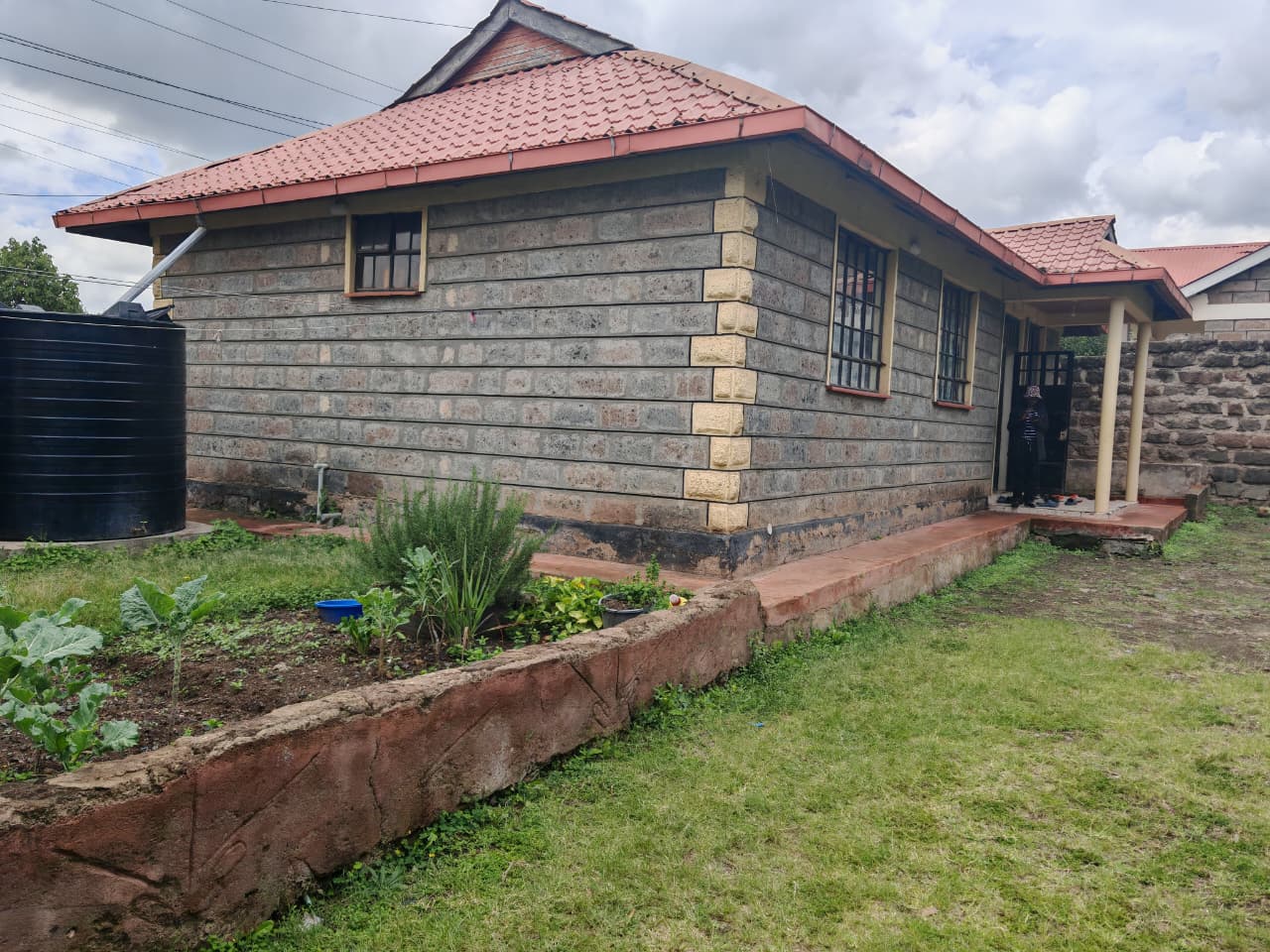
3-Bedroom Bungalow for Sale in Ongata Rongai
KES 9M

Modern 1 & 2-Bedroom Apartments in Ongata Rongai
KES 1-bedroom @ KSh 4.9M and 2-bedroom @ KSh 6.1M
Share this post
Table of Contents
Understanding How Land Succession Works in Kenya
Land is one of the most valuable assets a person can own in Kenya, yet many families only begin to think about succession after the death of a loved one. Unfortunately, a lack of understanding about how land succession works often leads to disputes, lengthy court cases, and strained family relationships. Many people assume that land automatically passes to children or close relatives, but the process is governed by specific laws and legal procedures. Whether the deceased left a valid will or died without one, understanding the succession process is essential for protecting family interests and ensuring a smooth transfer of property. In this article, we break down how land succession works in Kenya and explain the key steps every landowner and beneficiary should know.
What is land succession?
Land succession is the legal process of transferring ownership of land from a deceased person to their rightful heirs or beneficiaries. It helps make sure the land is given to the right people, such as family members or those named in a will. If there’s no will, the law decides who inherits the land. Succession is important because it prevents family conflicts and ensures that ownership documents are legally updated to reflect the new owner’s name.
Types of Successions in Kenya
There are two main types of succession in Kenya: testate succession and intestate succession.
Testate Succession
This type of succession happens when someone dies having clearly written and signed a will that explains how their land and property should be shared. The process ensures that the wishes of the deceased are legally followed and the named beneficiaries receive their rightful inheritance through the court’s approval.
This is how the process is done.
- Confirm the death and locate the original will and the death certificate.
- The executor named in the will files a petition for probate at the High Court (or relevant magistrate’s court if applicable), asking for a grant of probate so the will can be admitted to court. The petition includes the will, death certificate, affidavits, and other supporting documents.
- The petition is advertised (usually in the Kenya Gazette) to give notice to anyone with an interest to object. If no valid objections, the court issues the grant of probate to the executor.
- With the grant of probate, the executor can collect, manage, and distribute the estate according to the will. For land, the executor prepares land transfer documents and submits them to the Lands registry (with the grant, title deed, IDs, PIN, photos, and required forms) so the land is legally transferred into the names of the beneficiaries.
Intestate Succession
In intestate succession, a person dies without leaving a will, so the law, under the Law of Succession Act, decides how the property will be divided among the surviving spouse, children, and other relatives.
This is how it’s done.
- Confirm the death and identify the heirs (spouse, children, dependents and blood relatives as provided by the Law of Succession Act).
- An interested person (often a close relative) files a petition for Letters of Administration asking the court to appoint an administrator. The petitioner files supporting affidavits, a death certificate, an inventory/affidavit of means, and usually guarantees/personal sureties.
- The petition is advertised (e.g., Kenya Gazette) for at least 30 days so anyone with a claim can object. If there are no valid objections, the court issues Letters of Administration to the administrator.
- The administrator collects and manages the estate, then distributes assets according to the intestacy rules in the Law of Succession Act. For land, the administrator applies to the Lands registry with the Letters of Administration (and the required LRA forms, title deed, IDs, PIN, photos, and stamp duty proof) to transfer title to the lawful beneficiaries. There is usually a confirmation step (after a few months) where the administrator applies for confirmation of the grant before final distribution/transfer.
Note That:
The governing law is the Law of Succession Act and the Probate & Administration Rules, which set the forms, who qualifies, and court procedures.
Always keep the original title deed, the death certificate, IDs, PIN, passport photos, and the court grant (probate or letters of administration). The Lands Registry requires these to change the name on the title.
If anyone objects during the gazettement period, the court will hear the dispute before granting probate or administration.
The Process of Land Succession in Kenya
The process of land succession in Kenya involves the legal transfer of land ownership from a deceased person to their rightful heirs or beneficiaries. It is guided by the Law of Succession Act (Cap 160). Here’s how it is done step by step:
Step 1: Confirm the Death and Obtain a Death Certificate
The first step in the land succession process is to confirm and officially record the death of the landowner. This is done by registering the death at the nearest Civil Registration Office or Huduma Centre. Once the death is registered, a death certificate is issued as legal proof that the person has passed away. This document is essential because it must be presented in court when applying for succession and later at the Lands Registry during the transfer of ownership. Without it, no legal action can be taken to distribute the deceased’s property.
Step 2: Determine the Type of Succession
Before beginning the court process, it’s important to first determine whether the deceased left a valid will or not. This step helps you know which legal path to follow. If the deceased had a will, the estate will go through testate succession, where the person named in the will (the executor) applies for a Grant of Probate to manage and distribute the property according to the wishes stated in the will. However, if the deceased did not leave a will, the process is known as intestate succession. In this case, a close relative, such as a spouse, adult child, or sibling, applies for Letters of Administration to legally handle and share the estate according to the Law of Succession Act. Identifying the right type of succession early makes the process smoother, faster, and legally sound.
Step 3: Apply for Grant of Probate or Letters of Administration
Once the death has been officially recorded, the next important step is to apply for legal authority to manage the deceased’s estate. This authority comes in two forms: a Grant of Probate if the deceased left a valid will, or Letters of Administration if there was no will. To begin the process, gather key documents such as the death certificate, a list of all the deceased’s assets and dependents, and copies of identification documents for the beneficiaries. These are then submitted to the nearest High Court or magistrates’ court. The court carefully reviews the application to confirm its accuracy and fairness. If everything is in order, it issues the grant, officially giving you permission to manage, protect, and distribute the estate in line with the will or Kenya’s succession laws.
Step 4: Gazette Notice and Confirmation of Grant
After applying for probate or letters of administration, the court requires that your application be published in the Kenya Gazette. This public notice remains in effect for 30 days, allowing anyone with an interest or objection to come forward. If no one raises an objection during this period, the process continues smoothly.
Once the 30 days have passed, and all issues (if any) are resolved, the court issues a Grant of Probate (for estates with a will) or Grant of Letters of Administration (for estates without a will). However, this grant is temporary; you cannot yet distribute the estate.
After six months, you must apply for confirmation of the grant. This step involves submitting a detailed proposal showing how the estate will be shared among the rightful beneficiaries. The court reviews the plan to ensure it’s fair and lawful. Once confirmed, the grant becomes final, officially authorizing you to distribute the property, including land, to the beneficiaries as outlined in the confirmation order.
Step 5: Confirmation of Grant
Once the court issues the Grant of Probate or Grant of Letters of Administration, it is only a temporary authority that allows you to collect and protect the deceased’s assets, but not to distribute them yet. Under the Law of Succession Act, you must wait for six months before applying to confirm the grant. This waiting period allows time for any hidden beneficiaries, debts, or disputes to surface.
To apply for confirmation, the executor or administrator files a Summons for Confirmation of Grant at the same court that issued the initial grant. This application includes:
- A detailed schedule of distribution (showing how each asset, such as land, money, or vehicles, will be shared).
- A supporting affidavit signed by all beneficiaries confirming they agree with the proposed distribution.
- Copies of ID cards and PINs of the beneficiaries.
If the court is satisfied that all dependents and heirs are properly included and there are no valid objections, it issues a Confirmed Grant. This document gives the administrator full authority to transfer ownership of the assets, including land, to the beneficiaries.
With the confirmed grant, you can now take the title deeds, the court order, and the beneficiaries’ documents to the Lands Registry to legally update ownership records. Once this is done, the beneficiaries receive new title deeds in their names, completing the succession process.
Step 6: Transfer of Land and Completion of the Succession Process
After the court issues the confirmed grant, the final step is to transfer the land and other assets to the rightful beneficiaries. This process officially changes ownership records to reflect the new owners. The administrator or executor takes the confirmed grant, the original title deed, the beneficiaries’ ID cards, KRA PINs, passport photos, and the completed land transfer forms to the local Lands Registry.
The Lands Office verifies the documents to ensure that everything matches the court order. You may also need to pay registration and processing fees during this stage. Once the verification is complete, the land is registered in the beneficiaries’ names, and new title deeds are issued.
After all the property has been distributed, the administrator files a short report with the court showing that the estate has been fully settled. The court then closes the file, officially marking the end of the succession process. This ensures that ownership is legally transferred and that the beneficiaries can now freely use, sell, or develop their land without any legal restrictions.
Step 7: Filing the Final Account and Closing the Estate
Once the land and all other assets have been transferred to the rightful beneficiaries, the administrator’s role is almost complete. However, the court requires one last step before officially closing the file. This step is known as filing the final account, sometimes referred to as the estate completion report.
In this stage, the administrator prepares a written summary showing how every part of the estate was handled and distributed. The report lists each asset, the beneficiary who received it, and confirmation that there are no pending debts or disputes. It also includes copies of the new title deeds, receipts for any payments made to the Lands Registry, and acknowledgments signed by the beneficiaries confirming receipt of their share.
The purpose of this final account is to show transparency and accountability to the court. It proves that the administrator has carried out their duties faithfully and in accordance with the confirmed grant. Once the court reviews and approves this report, it issues a final order to close the estate file. From that point, the succession process is considered complete, and the beneficiaries become the undisputed legal owners of their respective properties.
This step is crucial because failure to file the final account can result in delays, and the court may even summon the administrator to explain why the process hasn’t been completed.
Resolving Disputes During Succession
Disagreements are common in the succession process, especially when family members have conflicting interests or when the deceased did not leave a clear will. In Kenya, the law provides several mechanisms for resolving such disputes fairly and peacefully.
Most disputes arise over who should be the administrator, who qualifies as a beneficiary, or how property, especially land, should be shared. When this happens, the parties involved are first encouraged to resolve the matter through mediation or family meetings, often guided by elders, advocates, or church leaders. This approach helps maintain family unity and avoids the cost and stress of lengthy court battles.
If the dispute cannot be resolved privately, the case is taken to the Probate and Administration Court, which has the authority to hear and determine succession conflicts. The court may call witnesses, examine the will (if one exists), and review the evidence before making a ruling. In some cases, the court may refer the matter to court-annexed mediation, where a certified mediator helps the parties reach an agreement.
Once the court or mediator issues a final decision, the administrator proceeds with the process according to the ruling or settlement. Resolving disputes early ensures the estate is distributed fairly, prevents long delays, and protects family relationships during and after the succession process.
Rights and Obligations of Beneficiaries
In Kenya, beneficiaries in a land succession process have clear rights and duties. These include the right of spouses and children to inherit property and the responsibility to address any valid claims from creditors. All beneficiaries need to understand these rights and obligations to ensure fairness and harmony during the succession process.
Spouse’s Rights
In Kenya, a surviving spouse has strong legal rights when it comes to inheritance under the Law of Succession Act. The spouse is given first priority before any other beneficiaries when distributing the deceased’s property, including land.
If the deceased left a spouse and children, the spouse is entitled to keep the household goods and personal effects, and also has a life interest in the remaining estate. This means the spouse can live on and use the land or property for their lifetime, but cannot sell or permanently transfer it unless the court allows. After the spouse passes away, the property is then divided among the children.
If the deceased left a spouse but no children, the surviving spouse inherits the entire estate, including the land. However, if there are multiple spouses (in the case of polygamous marriages), the estate is divided among the different households in proportion to the number of children or the size of each household.
The law protects the surviving spouse from being unfairly removed from the marital home or denied access to land. This ensures that they continue to have shelter and means of livelihood even after the death of their partner.
Children’s Rights
In Kenya, children have an automatic right to inherit their parents’ property, whether or not a will exists. The Law of Succession Act recognizes all children equally, including those born in or out of marriage, legally adopted children, and even those who were being maintained by the deceased before death.
When a parent dies, each child is entitled to a fair share of the estate, including land. If the surviving spouse is still alive, the children’s inheritance is usually held in trust until the spouse’s life interest ends, meaning they will receive their full share after the spouse passes away or remarries (if it’s a widow).
If the deceased did not have a spouse, the property is shared equally among the children. The law also protects minors by ensuring their share is managed responsibly by the administrator or guardian until they reach 18 years of age.
The purpose of these provisions is to make sure that no child is left out or disadvantaged, and that every child benefits fairly from their parents’ hard-earned property.
Creditors’ Claims in Land Succession
Before an estate can be distributed to the beneficiaries, all valid debts and claims owed by the deceased must be settled. In Kenya, the Law of Succession gives creditors the right to recover what they are owed from the deceased’s estate, including land and other assets.
Creditors can include banks, Sacco societies, suppliers, or individuals who lent money to the deceased. During the succession process, these creditors are expected to come forward and present their claims, often after the notice is published in the Kenya Gazette. The administrator is required to verify these claims and use part of the estate to pay off the debts before sharing out the remaining property.
If the administrator distributes the estate without settling these debts, they can be held personally responsible by the court. This step ensures fairness, protects the estate from future legal disputes, and guarantees that only the rightful, debt-free property is passed on to the beneficiaries.
FAQs
What is land succession?
Land succession is the legal process of transferring ownership of land and property from a deceased person to their rightful heirs or beneficiaries, as guided by the Law of Succession Act (Cap 160).
Who is allowed to apply for succession in Kenya?
A surviving spouse, adult child, parent, or close relative of the deceased can apply for succession. If the deceased left a will, the executor named in the will files the application.
What documents are needed to start the succession process?
You will need the death certificate, the deceased’s title deed, ID cards, and PINs of all beneficiaries, a list of assets, and an affidavit listing dependents.
What is the difference between probate and letters of administration?
Probate is issued when the deceased left a valid will, while letters of administration are issued when the deceased died without a will.
How long does the succession process take in Kenya?
The process usually takes between 6 months to 1 year, depending on whether there are disputes, objections, or delays in obtaining documents or court dates.
Can land be transferred before succession is completed?
No. Land cannot be legally transferred until the court issues a confirmed grant. Any transfer done before that is invalid.
What happens if family members disagree on land sharing?
If disputes arise, the court encourages mediation first. If mediation fails, the case is heard and determined by the probate court.
Can a widow or widower be forced out of their home after the spouse’s death?
No. The law protects the surviving spouse’s right to continue living on and using the property, especially the matrimonial home, until the estate is lawfully distributed.
Do adopted or stepchildren have a right to inherit?
Yes. Adopted children have the same rights as biological children. Stepchildren can inherit if they were proven to be dependents of the deceased.
What happens if the deceased had debts?
All valid debts must be paid from the estate before any property is distributed. Creditors can claim what they are owed through the court process.
Can land be sold during the succession process?
No. The estate property should not be sold until a confirmed grant is issued and the court approves the distribution.
Where do I file for succession in Kenya?
You can file the succession case at the High Court or Magistrate’s Court that covers the area where the deceased lived or owned property.
How much does succession cost in Kenya?
Costs vary depending on the estate’s size but may include court filing fees, gazettement fees, legal fees, and land registration charges.
What happens after the grant is confirmed?
After confirmation, the administrator transfers the property to the beneficiaries, obtains new title deeds in their names, and files a final report with the court to close the case.
Can I do the succession process without a lawyer?
Yes, it’s possible to handle a simple succession case on your own, but for complex estates or disputes, getting legal help from a succession lawyer is highly recommended.
Do I have to pay stamp duty when transferring land ownership or a title deed in Kenya?
Yes, you are required to pay stamp duty when transferring land ownership or a title deed in Kenya. Stamp duty is a government tax charged on property transfers to make the transaction legally valid. The rate depends on the property’s location, 4% of the land’s value in urban areas and 2% in rural areas.
The duty is assessed by the Kenya Revenue Authority (KRA) after a valuation of the property, and payment must be made before the new title deed is registered at the Lands Registry. Without paying stamp duty, the transfer process cannot be completed, and the new owner cannot legally claim ownership of the land.