

Author
Phylis Biruri
Houses for Sale
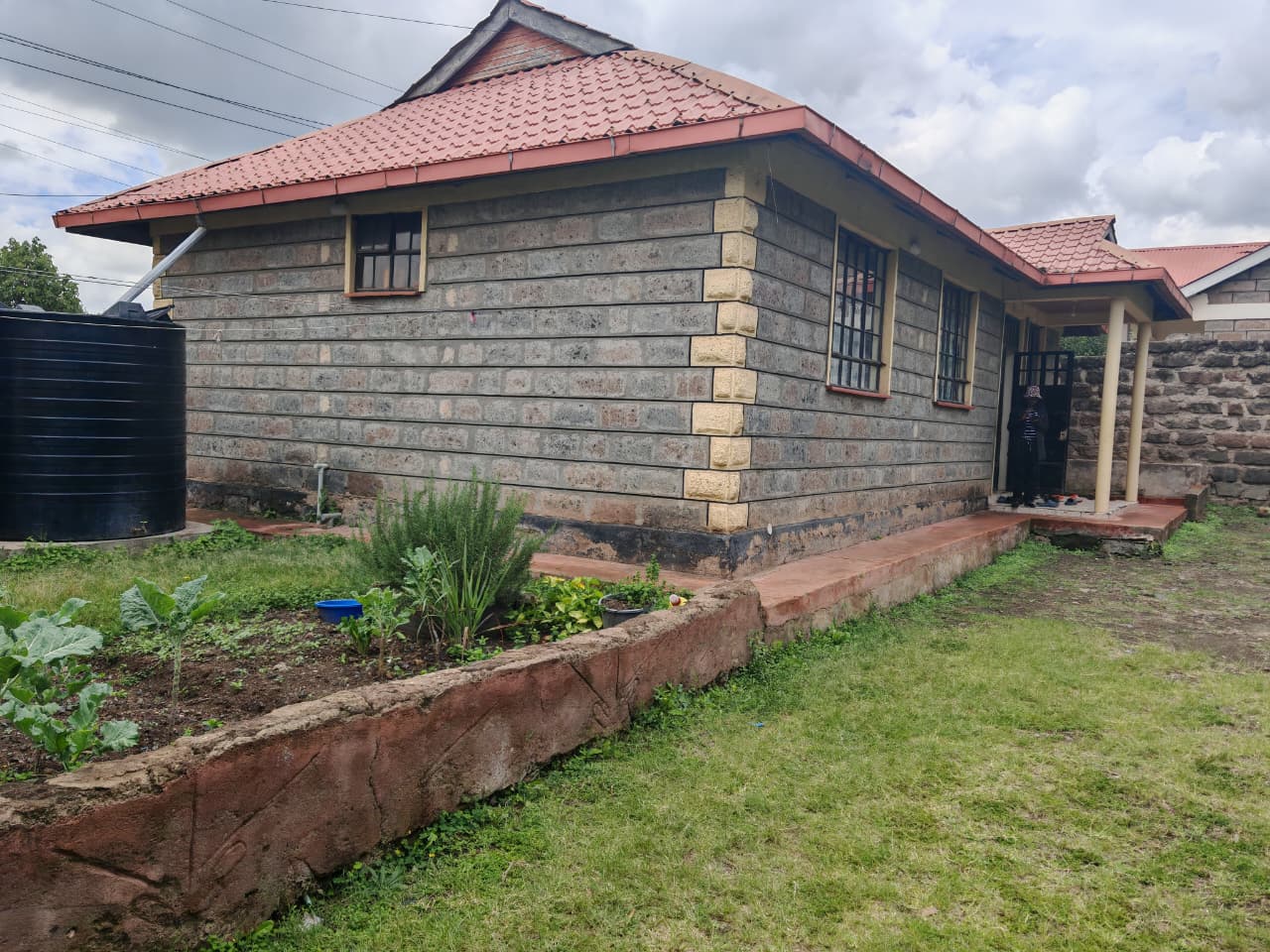
3-Bedroom Bungalow for Sale in Ongata Rongai
KES 9M

Modern 1 & 2-Bedroom Apartments in Ongata Rongai
KES 1-bedroom @ KSh 4.9M and 2-bedroom @ KSh 6.1M
Share this post
Table of Contents
The Ultimate Guide to Verifying Land Ownership in Kenya
In Kenya, owning land is considered one of the fastest ways to grow wealth; to many, it’s a symbol of stability, legacy, and independence. Yet behind every title deed lies a crucial truth: not all shiny title deeds mean genuine ownership. With rising cases of land fraud and double ownership, knowing how to verify land ownership has become one of the most critical steps for any serious buyer. This guide walks you through every detail as we want to help you make informed decisions and protect your investment with confidence.
Why You Must Verify Land Ownership
Verifying land ownership is the most important step before buying and transfering any property in Kenya. It protects you from losing money to fraudsters who sell land that doesn’t belong to them. Many people have fallen victim to fake title deeds, double ownership, and dishonest agents. By conducting an official search at the Ministry of Lands to confirm who truly owns the land, you ensure that the seller has the full rights to sell it. Taking time to verify gives you peace of mind, saves you from legal problems, and guarantees that your investment is safe.
Fake title deeds, multiple sales, and forged documents are common tricks used in land fraud. By verifying a title deed in Kenya, you ensure that the land truly belongs to the seller, is not encumbered by any loans or disputes, hence protecting your hard-earned money.
Verification helps you confirm that:
- The seller is the valid owner of the land.
- The property has no loans, court cases, or other claims.
- The title deed is original and valid.
Understanding the Different Title Deeds in Kenya
Before you learn how to verify a title deed in Kenya, it’s good first to know the different types of title deeds. This will help you understand the kind of ownership you’re dealing with.
In Kenya, land can have different types of title deeds. Each shows how long you can own the land and what rights you have. Here are the main types:
- Freehold Title Deed – Gives the owner complete ownership of the land forever.
- Leasehold Title Deed – Ownership is granted for a set period, usually 99 years, after which it can be renewed.
- Sectional Title Deed – Used for apartments or units within a building; each owner holds a title for their specific unit.
- Certificate of Lease – Common for land in towns or cities where the government owns the land and leases it to individuals.
Knowing these types helps you understand your rights and choose the best option when buying land.
How to Check if a Title Deed Is Genuine in Kenya
Verifying a title deed in Kenya is a simple process that helps you confirm the land’s true ownership. Let’s now dive into the steps you can follow to verify a title deed in Kenya and ensure your land purchase is safe and genuine before making any payment.
1. Inspect the Title Deed Carefully
Start by closely examining the title deed itself. A genuine one has several security features that are difficult to copy or fake. Here’s what to look for:
- Government watermark and seal: Hold the document against the light, and you should see a watermark or embossed seal from the Ministry of Lands. If it’s missing, be cautious.
- Paper and print quality: Original title deeds are printed on thick, high-quality paper with neat, clear text. Poor print, blurred letters, or light paper may indicate a fake.
- Serial and title numbers: Check that all serial numbers match on every page and confirm the title number belongs to the correct land.
- Owner’s details: The seller’s name and ID number should match exactly with what appears on the deed.
- Type of ownership: Confirm whether it’s freehold (full ownership) or leasehold (ownership for a set number of years).
- Official signature and stamp: A true title deed always bears the Registrar of Lands’ signature and an embossed government stamp.
- Parcel and map details: Verify the parcel number and map sheet number to ensure they correspond to the actual land location.
- Encumbrances: Check for any listed loans, disputes, or court restrictions.
Always take your time to review every detail. Even a small error, a missing seal, or a mismatched name can signal a fake document. When in doubt, consult a lawyer or verify the information directly with the Ministry of Lands before making any payment.
2. Confirm Ownership with an Official Search
To confirm if a title deed is genuine in Kenya, you need to check its details with the Ministry of Lands. There are two simple ways to do this:
1. Online Land Search (Through eCitizen)
Steps:
- Go to the eCitizen website
- Log in or create an account if you don’t have one.
- Click on Ministry of Lands and Physical Planning.
- Choose the Land Search option.
- Enter the title deed number
- Pay the KSh 500 search fee using M-Pesa or other available options.
- Wait a few minutes for the results to appear.
- Download or print the official land search results, showing the registered owner and any encumbrances.
2. Manual Land Search (At the Ministry of Lands Office)
Steps:
- Visit the nearest Ministry of Lands office or county lands registry.
- Ask for a land search application form and fill in the required details.
- Attach a copy of the title deed and your national ID.
- Pay the KSh 500 search fee at the counter.
- Submit the filled form with the receipt.
- Wait for 2–3 working days for processing.
- Collect your official search certificate, which confirms the current owner, land size, and any disputes or loans tied to the land.
Both methods produce the same results; however, the online option is faster, while the manual search is ideal if you prefer in-person assistance.
3. Cross-Check Details at the Land Registry
Here’s the third and most thorough way to confirm if a title deed is genuine in Kenya: verifying it directly at the local Land Registry. This method allows you to cross-check all official records and ensure every detail on the title deed matches what’s in the government’s database.
Steps:
- Visit the local Land Registry office where the land is located.
- Request to view the land register (green card or white card). The green card is for freehold land, while the white card applies to leasehold property. This is the official record of the property.
- Compare the details on the green card with those on the title deed, including the owner’s name, title number, land size, and history of transactions (previous owners or transfers).
- Ask the officer to confirm if there are any cautions, loans, or court orders on the land.
- If anything doesn’t match or the land file cannot be found, that’s a major warning sign.
This step gives you first-hand confirmation from official records and helps you detect fake or altered title deeds that might still appear genuine on paper.
4. Consult a Licensed Land Surveyor
Another effective way to confirm the authenticity of a title deed is to involve a licensed land surveyor. We’ll show you how to find a reliable professional surveyor who can inspect the land, verify its boundaries, and ensure that the title deed matches the actual property.
Steps:
- Hire a registered surveyor from the Institute of Surveyors of Kenya (ISK).
- Give them the title deed and any supporting documents.
- The surveyor will visit the land and compare the beacons, boundaries, and map coordinates with the official records from the Survey of Kenya.
- They’ll confirm if the land truly exists, matches the size stated on the title, and isn’t overlapping with another parcel.
- You’ll receive a survey report showing whether the title deed aligns with the actual land.
This step helps you avoid buying land that’s misplaced, smaller than claimed, or already owned by someone else.
Verifying a title deed in Kenya is not something to rush. Taking the time to follow these steps, including checking the physical title deed, conducting an official land search, confirming at the local land registry, hiring a licensed surveyor, and consulting a property lawyer, can save you from costly mistakes. Each step gives you more proof that the land is genuine, free from disputes, and legally owned by the seller. Always remember, it’s better to spend time verifying than to lose your hard-earned money to fraud.
Practical Steps to Know Whether a Title Deed Is Genuine or Fake
Before buying land in Kenya, it’s important to ensure the title deed is real. Many fake ones look convincing, but a few simple checks can help you tell the difference. Here are easy steps to know whether a title deed is genuine or fake.
These points are based on common signs found in fake documents and advice shared by the Ministry of Lands and county land offices.
1. Look for Official Seals and Watermarks
In Kenya, genuine title deeds have special security features, including watermarks and official government seals. These features help prove the document is authentic. You can also find tiny printed text (microtext) and raised seals that show when you hold the paper up to light.
If these marks are missing or look changed, it’s a serious warning sign. Many fake title deeds don’t have these security features. To check, hold the title deed up to the light. If you can’t see the watermark or the seal appears altered, the document is likely fake.
2. Check for Wrong Spellings or Different Font Styles
Fake title deeds often have small but obvious mistakes that reveal they aren’t genuine. Look carefully for spelling errors in names, locations, or government terms. Real documents rarely have such errors. Also, pay attention to the font style and size. A genuine title deed is printed in a consistent, neat format, while fake ones may have uneven fonts or poor alignment. Fraudsters often use low-quality printers or basic software to create counterfeit documents, which results in blurred text, mismatched fonts, and other visible flaws. Even a minor error should make you suspicious; it could be the first sign of a forged title deed.
3. Absence of Official Seal and Signature
A genuine title deed in Kenya must have the Registrar of Lands’ signature and an official government stamp or seal. These confirm that the document was legally issued and recorded in the Ministry of Lands system. If either is missing, smudged, or looks photocopied, it’s likely fake. According to a 2024 report by the Ministry of Lands, over 40% of forged title deeds lacked a proper registrar’s signature or used a duplicate seal. Always inspect these details closely; the absence or alteration of these marks is one of the most evident signs of a counterfeit title deed.
4. Check for Mismatched Parcel Numbers
Every genuine title deed has a unique parcel number that identifies the exact piece of land it represents. This number should match the one shown on the land map, search results, and official records at the Ministry of Lands. If the parcel number on the title deed differs from these records, it’s a clear sign of a problem.
Fraudsters sometimes copy genuine title details but alter the parcel number to conceal the true owner or location. Always compare the parcel number on the deed with that on the survey map and search certificate. If there’s even a slight difference in digits or format, the title deed could be fake or linked to a different property. Verifying this number carefully can save you from purchasing land that is involved in disputes or has double ownership.
5. Poor Printing and Paper Quality
A genuine title deed in Kenya is printed on high-quality, durable paper that feels firm and slightly textured. The printing is clear, sharp, and evenly spaced. Fake title deeds, on the other hand, often use ordinary photocopy paper and inexpensive printers, which result in text that appears blurry, faded, or uneven.
Fraudsters rarely have access to the same printing materials used by the Ministry of Lands, so poor paper and printing quality are common warning signs. Always check the document’s texture, color, and clarity. If it feels too thin, looks washed out, or the ink easily smudges, the title deed could be fake.
6. Mismatched Ownership Details
When checking a title deed, always make sure the owner’s details match those on their national ID or company registration documents. A genuine title deed should have the correct full name, ID number, and, if it’s a company, the right registration name and number.
If the seller’s name is slightly different, misspelled, or doesn’t match the ID, that’s a serious warning sign. Fraudsters sometimes alter just one or two letters to trick buyers. Also, be cautious if the person selling the land claims to represent the owner but has no proper authorization letter or power of attorney.
Always confirm ownership through an official land search at the Ministry of Lands to ensure the deed truly belongs to the seller.
7. Warning Signs from the Seller’s Behavior
Sometimes, the seller’s behavior can reveal a lot about whether the deal is genuine. Be cautious if the seller avoids answering questions, rushes you to make payments, or refuses to meet at the land registry. Genuine landowners are usually open, patient, and willing to share all documents for verification.
Also, be alert if the seller insists on cash payments only, avoids using lawyers, or discourages you from doing an official land search. These are classic signs of a possible land scam. Always take your time, verify every detail, and never let pressure push you into a bad deal.
FAQs
1. How do I check if a title deed is valid in Kenya?
Use digital platforms like Ardhisasa or eCitizen, or visit the County Land Registry to conduct an official land search. You’ll need the title deed number (or parcel number) to get ownership details and see if there are any legal issues.
2. How much does it cost to verify a title deed?
It usually costs around KSh 500 when using online platforms or County registries, though in some cases it may go up to KSh 1,000 depending on the location and document type.
3. How long does verification take?
Online (Ardhisasa / eCitizen): Often almost immediate or within 1-2 days. Manual registry search: Usually takes 1-3 working days in many counties.
4. What are the warning signs that a title deed is fake?
Watch for missing watermarks or government seals, spelling mistakes, mismatched parcel numbers, lack of official signatures or stamps, and low‐quality printing and paper.
5. Can I verify a title deed from outside Kenya?
Yes, you can. You may appoint a trusted lawyer or agent in Kenya to conduct the search on your behalf, or use online platforms if they are accessible. Ensure you obtain certification and copies of the search report digitally.
6. What documents do I need for verification?
You’ll need a copy of the title deed, the title number/parcel number, the owner’s name and ID (or company registration if applicable), and proof of payment for the search fee.
7. What is an encumbrance, and how does it affect title deed verification?
An encumbrance is any legal claim on the land, e.g. mortgages, loans, court disputes, or caveats. These show up in the land search report. If present, they can limit or affect land transfer or ownership.
8. What documents should I ask the seller to provide?
Before buying land, always ask for:
- A copy of the title deed
- The seller’s national ID and KRA PIN
- Land rates clearance certificate
- Survey map (showing the exact plot)
- Consent to transfer (if applicable)
- If the land is owned by a company, also request the company registration documents.
9. What should I do if I lose my title deed?
If you lose your title deed:
- Report the loss at a police station and get a police abstract.
- Prepare an affidavit explaining how it got lost.
- Publish a notice in a national newspaper.
- Apply for a replacement at the Ministry of Lands.
- It usually takes about 60 days to get a new one after proper verification.
10 How do you legally transfer land owned by someone who has passed away?
To transfer land from a deceased person in Kenya, the family must go through a succession process. This process begins with applying for a Grant of Letters of Administration in court, followed by obtaining a Certificate of Confirmation of Grant that names the rightful heirs. With these documents, the administrator can visit the Land Registry to transfer the property to the new owners. Without this legal process, any transfer or sale is invalid.