

Author
Phylis Biruri
Houses for Sale
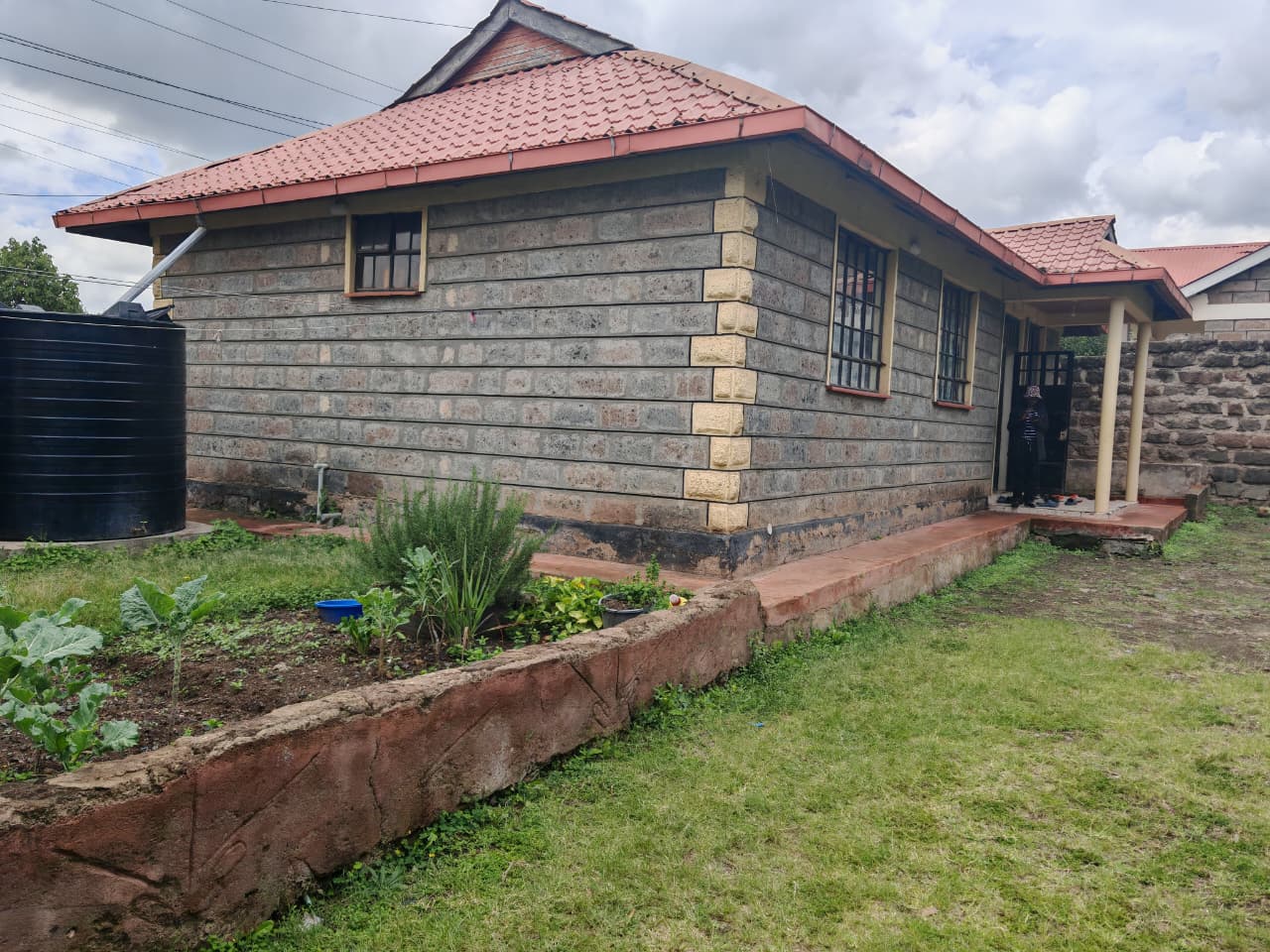
3-Bedroom Bungalow for Sale in Ongata Rongai
KES 9M

Modern 1 & 2-Bedroom Apartments in Ongata Rongai
KES 1-bedroom @ KSh 4.9M and 2-bedroom @ KSh 6.1M
Share this post
Table of Contents
The Ultimate Guide to Off-Plan Real Estate in Kenya: Tips, Process & Legal Checks
What are off-plan properties?
An off-plan house is a property purchased before it is completed or sometimes even before construction starts. Buyers make the decision based on architectural designs, floor plans, or model units rather than a finished home. This type of purchase allows investors or homeowners to buy at a lower price and make payments in stages as construction progresses. In Kenya, off-plan houses have become increasingly popular due to their affordability, flexible payment terms, and potential for value appreciation once the project is completed.
Why Are Off-Plan Properties Becoming So Popular in Kenya?
Off-plan houses are gaining popularity in Kenya because they offer a more affordable and flexible way for buyers to own property. Many developers allow payments to be made in installments throughout the construction period, making it easier for middle-income earners to invest. Buyers also benefit from lower initial prices compared to completed units and can enjoy significant value appreciation once construction is finished. Additionally, off-plan homes often feature modern designs, better amenities, and attractive locations, appealing to both investors and homeowners looking for long-term growth and convenience.
How Do You Buy an Off-Plan Property in Kenya?
When buying an off-plan house in Kenya, you need to follow a clear step-by-step process that guides you from the initial research to receiving your completed home. Understanding each stage helps you make safer decisions and avoid common risks many buyers face. Let’s now look at how the process works from start to finish.
1. Research the market and developer
Before buying an off-plan house, it’s important to research the market and the developer thoroughly. Start by checking the developer’s background, including their registration details, experience, and past projects. Look at how many projects they have successfully completed and whether they were finished on time.
Visit some of their completed developments to see the quality of their work and talk to previous buyers about their experience. This will help you know if the developer is reliable and capable of delivering what they promise, reducing your risk of losing money to unfinished or poorly built projects.
2. Choose the project and unit
When choosing the project and unit, start by identifying the location that best fits your needs. Consider accessibility, nearby amenities like schools, hospitals, and shopping centers, as well as future growth potential in the area. Visit the developer’s office or showroom to review the architectural plans, unit sizes, layouts, and finishes being offered.
Compare different units in terms of price, floor level, view, and available space to find what matches your budget and preferences. It’s also wise to check if the project has clear land ownership, all necessary approvals, and realistic timelines for completion. Taking time to evaluate these details helps you pick a project that aligns with your goals and minimizes risks.
3. Ask for project documents
At the stage of requesting project documents, it’s important to confirm that the development is genuine and legally approved. Ask the developer to provide a copy of the land title or lease to prove ownership, along with approved building and architectural plans.
You should also check that the project is registered with the National Construction Authority (NCA) and has environmental approval from NEMA. In addition, confirm that the county government has issued building permits and that all land use changes, if any, were approved. These documents show that the project meets legal and safety standards, helping you avoid fake or unapproved developments.
4. Hire a lawyer early
Hiring a lawyer early in the process is very important, not just an option. A property lawyer helps you confirm that all documents, approvals, and contracts are genuine before you commit your money. They can conduct a land search at the Lands Registry to prove ownership, check for any disputes, caveats, or unpaid land rates, and verify the developer’s rights to build and sell.
Your lawyer will also review the sale agreement to make sure it protects you, including refund terms, timelines, and penalties for delays. Without legal guidance, buyers risk signing unfair contracts or losing money to dishonest developers. In Kenya, hiring a lawyer is one of the smartest and safest steps when buying off-plan property.
5. Review the sale agreement carefully
Reviewing the sale agreement carefully is one of the most important steps when buying an off-plan house in Kenya. This document highlights your rights, responsibilities, and what the developer promises to deliver. It should clearly state the total purchase price, payment schedule, construction timeline, and completion date. The agreement must also include refund terms, penalties for delays, procedures for handling disputes, and conditions under which either party can cancel the contract.
Ensure that the specifications of your unit, such as size, layout, finishes, and fixtures, match what was shown in the brochures or plans. Your lawyer should go through every clause to confirm there are no hidden conditions or loopholes that could disadvantage you later. Never sign an incomplete sale agreement, missing attachments, or given under pressure. Taking time to review it thoroughly protects you from future losses or misunderstandings.
6. Negotiate for Better, Safer, and Flexible Terms
Negotiating payment terms is a crucial step when buying an off-plan house in Kenya. Always agree on a clear payment plan tied to construction stages, such as deposit, foundation, finishing, and handover. Avoid paying the full amount upfront; instead, pay in phases as progress is made.
Whenever possible, use an escrow or project account for added safety, where money is released only after milestones are verified. Make all payments through the bank, never in cash, and keep every receipt. Your lawyer should review the terms in the sale agreement to ensure your payments are fully protected.
7. Monitor Construction Progress
Monitoring construction progress is a key step in protecting your investment when buying an off-plan house. Once construction starts, don’t just rely on the developer’s word; make it a habit to visit the site regularly to see the actual work being done. Check whether the materials, finishes, and layout match what was promised in the sale agreement and brochures. If you live far, request periodic updates with photos, videos, or written progress reports.
Some developers also hold open days for buyers to inspect ongoing work; attend these whenever possible. Keep a record of every visit and note any delays, design changes, or quality issues. It’s also wise to involve your lawyer, surveyor, or engineer for professional assessments at key stages of construction. Staying informed helps you detect problems early, ensures your payments match real progress, and gives you confidence that the project is on track for completion.
8. Keeping Records and Ensuring Construction Quality
Throughout the construction period, it’s vital to stay organized and involved. Keep a well-labeled file containing all contracts, payment receipts, approved plans, emails, and any written communication with the developer. These documents serve as proof and protect you in case of disputes. Engage a registered surveyor or independent inspector to check the site at key stages and confirm that the work matches the approved plans, materials, and quality standards. This helps identify defects early before they become costly to fix.
As the project nears completion, confirm that the developer has obtained all essential compliance documents, including the completion certificate, occupancy certificate from the county, and safety approvals from the National Construction Authority (NCA). These certificates prove that the building meets legal and structural requirements, ensuring your new home is safe, compliant, and ready for you to occupy.
9. Handover, Title Transfer, and Moving In
As the project nears completion, the developer will invite you for inspection before handover. This is your chance to go through the house carefully using a checklist to identify any defects, incomplete work, or areas that don’t match what was promised. List these issues in a snag list and have the developer sign it, agreeing to fix them within a set time.
Once the defects are corrected and you’re satisfied, proceed with the final payment, but only after receiving all completion and compliance documents, including the occupation certificate and approval from relevant authorities. After this, the developer should officially hand over the house and provide a signed handover document. Your lawyer will then assist with title transfer and registration, ensuring the property is legally in your name. Finally, confirm details about property management, such as service charge rates, maintenance of common areas, and contact information for the management company. This final stage secures your ownership and ensures a smooth transition into your new home.
10. Final Document Checklist Before Taking Full Ownership
Before you officially take ownership of your off-plan house, ensure that every required document is in place. These records confirm that the property is legally yours, built to approved standards, and ready for occupancy. Go through this checklist carefully and make sure you receive:
- The original signed sale agreement and all payment receipts to confirm proof of purchase and transactions.
- Completion certificate and county approvals showing that construction met all legal and safety standards.
- Occupation certificate (where applicable), confirming that the house is safe and approved for living.
- Copy of the title deed or sectional title/share certificate, registered in your name.
- As-built plans and warranties for fixtures, plumbing, electrical works, and finishes.
- Signed snag list confirming that any identified defects have been repaired or resolved.
- Contact list for the property management team, caretakers, and key contractors for future maintenance or queries.
Having all these documents organized and verified gives you peace of mind, proves legal ownership, and ensures you are fully protected as you move into your new home.
How to Handle Delays, Disputes, and Developer Challenges
Sometimes, off-plan projects face delays or disagreements between buyers and developers. When this happens, the first step is to refer to your sale agreement, which should outline the completion timelines, penalties for delay, refund terms, and what happens if either party fails to meet their obligations. Communicate with the developer in writing and keep records of all correspondence.
If issues persist, involve your lawyer to help resolve the matter through mediation or arbitration, as these methods are often faster and less costly than going to court. Only pursue legal action as a last resort and always seek legal advice before making any public complaints or taking drastic steps. Staying calm, following the correct legal process, and relying on your lawyer’s guidance helps protect your rights and increases your chances of getting a fair outcome.
How to Protect Yourself When Buying Off-Plan
Buying an off-plan property in Kenya can be a smart investment, but only if you take the right precautions. Many buyers lose money due to skipped checks or blind trust, so it’s important to stay alert and follow these key steps:
- Work with a qualified property lawyer from the beginning. Your lawyer will verify ownership, confirm approvals, and review the sale agreement to ensure it protects your interests.
- Avoid paying the full amount upfront. Instead, make payments in phases that match the construction progress: deposit, foundation, structure, finishing, and handover.
- Verify the developer’s credibility. Check if they’re registered with the National Construction Authority (NCA), have valid county approvals, and a good history of completed projects.
- Request all official documents, such as the land title, approved building plans, NEMA certificate, and NCA registration details, before signing or paying.
- Monitor construction regularly. Visit the site or send a trusted representative to ensure the work matches the agreed design, quality, and timeline.
- Keep everything in writing. Save emails, progress reports, and payment receipts as proof in case of disputes.
- Ask about insurance or bank guarantees. Some developers offer project insurance that secures your money if they fail to deliver.
- Stay alert for red flags, such as unrealistic prices, pressure to pay quickly, or unclear ownership details.
By following these steps, you minimize risk, protect your money, and increase your chances of owning a high-quality home that meets your expectations.
Conclusion
Buying an off-plan property in Kenya can be a great opportunity to own a modern home or make a smart investment at a lower cost. However, it also comes with risks that require careful research, legal guidance, and patience. Always verify the developer’s background, check all approvals, and involve a qualified lawyer before signing or paying anything.
Take time to review documents, visit the site, and make payments based on real progress, not promises. With the correct information and support, you can confidently invest in an off-plan property that delivers real value and peace of mind.
If you need help verifying land, developers, or project documents before you invest, contact us for professional guidance and support.
FAQs
Is it safe to buy off-plan property in Kenya?
Yes, it is safe if you do proper due diligence, verify the developer’s track record, ensure the project has approvals, and use a qualified lawyer throughout the process.
Can I get a mortgage for off-plan properties?
Yes. Some banks in Kenya finance off-plan purchases, but they release funds in stages as construction progresses and only after verifying the project’s approval and the developer’s credibility.
What happens if the developer fails to complete the project?
Refer to your sale agreement for refund or penalty terms. If the developer defaults, your lawyer can help you seek a refund, compensation, or legal action, depending on the contract.
Can foreigners buy off-plan property in Kenya?
Yes. Foreigners can buy leasehold properties (up to 99 years), but not freehold land. Ensure proper registration and approvals.
What are the biggest risks in buying off-plan?
Delays, poor construction quality, changes in design, or the developer failing to finish. Due diligence and legal guidance help you avoid these.
Can I sell my off-plan unit before it’s completed?
Yes, if your sale agreement allows it. Some developers permit reselling or assignment, but always confirm terms with your lawyer first.
What documents should I see before paying?
Land title or lease, approved building plans, NEMA certificate, NCA registration, county building approval, and the sale agreement draft.
Why are off-plan houses cheaper than completed ones?
Developers offer lower prices early to raise construction funds. As the project progresses, prices usually rise, benefiting early buyers.
Who registers the title after completion?
Once construction is complete and all payments are made, the developer or their lawyer prepares the transfer documents. Your lawyer then registers the title deed or sectional title in your name at the Lands Registry.