

Author
Phylis Biruri
Houses for Sale
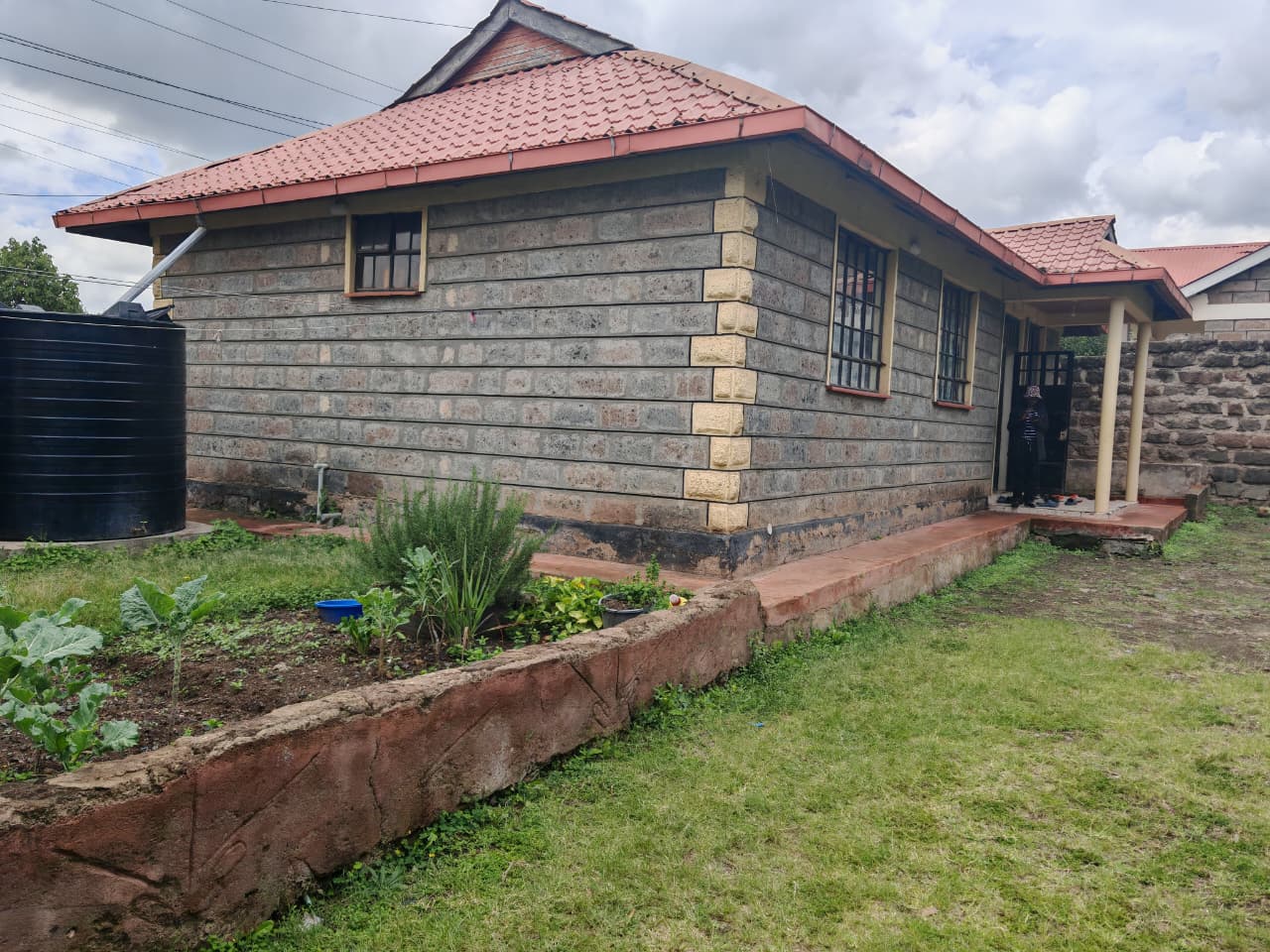
3-Bedroom Bungalow for Sale in Ongata Rongai
KES 9M

Modern 1 & 2-Bedroom Apartments in Ongata Rongai
KES 1-bedroom @ KSh 4.9M and 2-bedroom @ KSh 6.1M
Share this post
Table of Contents
Before the first stone is laid or concrete is poured, the most important part of any project is the ground itself. Many people focus on house design, finishes, and budget, but forget that the strength of a building starts below the surface. A professional soil test before building helps experts understand whether the land can safely support the structure.
Proper soil testing for construction reveals the soil type, drainage behavior, and soil bearing capacity, which are all critical for foundation stability. Without a detailed soil inspection before construction, hidden problems may remain unnoticed and can later threaten the structural safety of buildings.
In this article, you will learn how soil testing works, why it matters, the dangers of skipping it, and how it protects your investment for the long term.
What Is a Soil Test?
A soil test before building is a process that checks the ground where you plan to construct your home or building. Soil testing for construction helps determine the type of soil, its composition, and how much weight it can support, known as the soil bearing capacity.
A soil test allows engineers to determine if the ground can safely support a building’s foundation or if additional precautions are needed.
This simple step is essential for foundation stability, structural safety of buildings, and preventing costly problems in the future.
Types of Soil Tests Before Building
Before starting construction, it’s important to understand the different types of soil tests that ensure your building is safe, strong, and durable. Conducting soil tests for construction helps determine soil strength, composition, and suitability for your foundation, supporting the stability and structural safety of buildings.
Standard Penetration Test (SPT)
This test measures the density and strength of the soil by driving a standard sampler into the ground and recording resistance. It helps engineers determine soil compaction or looseness, which is crucial for foundation stability.
Soil Bearing Capacity Test
The soil bearing capacity test determines how much weight the ground can safely support. This helps the foundation stay strong and prevents sinking or cracking, reducing the risk of future structural problems.
Percolation Test
A percolation test measures how quickly water drains through the soil. It is especially important for designing septic systems, drainage, and landscaping to help prevent waterlogging and foundation damage.
Soil Composition Analysis
This test analyzes the percentages of sand, silt, and clay in the soil. Understanding the soil helps engineers design the right foundation, keeping the building strong, safe, and built to last.
Why Soil Testing Is Important Before Building
When you build without a soil test before building, the house might look perfect in the beginning, but hidden ground problems can cause trouble as time goes by. Conducting proper soil testing for construction protects your investment and ensures long-term safety. Here are the key reasons:
1. Foundation Stability and Strength
The foundation is the backbone of any building. A soil bearing capacity test ensures the ground can safely support your home’s weight, preventing cracks, sinking, or tilting. Without it, your structure is at risk of foundation failure.
2. Structural Safety of Buildings
The safety of your building relies heavily on the ground beneath it. Soil testing helps identify weak, expansive, or water-prone areas, enabling engineers to design a foundation that protects the building’s structural stability.
3. Prevents Costly Future Repairs
Skipping soil testing can lead to costly fixes later, ranging from foundation reinforcement to drainage issues. A thorough soil inspection before construction is a small upfront cost that helps prevent major financial losses.
4. Construction Risk Prevention
A professional soil test identifies potential risks such as unstable soil, flooding issues, or unsuitable composition. This helps prevent construction risks, ensure compliance with building regulations, and avoid project delays.
5. Improves Drainage and Longevity
Soil testing also assesses water absorption and drainage, crucial for landscaping, septic systems, and preventing water-related damage. Proper drainage contributes to the overall durability of buildings.
Risks of Skipping Soil Testing Before Building
Skipping a soil test before building may seem like a way to save money or time, but it can lead to serious problems that are far more expensive in the long run. Here are the key risks:
1. Weak Foundation and Structural Failure
Without checking the soil bearing capacity, the foundation may settle unevenly, crack, or even collapse. This directly affects the structural safety of buildings and can make your home unsafe.
2. Waterlogging and Poor Drainage
Ignoring soil testing in construction can leave you unaware of water-prone areas or poorly draining soil. This leads to foundation damage, mold growth, and landscape problems.
3. Cracks in Walls and Floors
Building on unstable or expansive soil can cause walls to crack, floors to tilt, and doors or windows to misalign, creating costly repairs and reducing your home’s value.
4. Expensive Repairs and Maintenance
Failing to conduct a soil inspection before construction can result in recurring costs for foundation reinforcement, plumbing fixes, or drainage improvements. Early testing is far cheaper.
5. Non-Compliance with Building Regulations
Many construction permits require soil testing to ensure safety standards. Skipping this step can lead to fines, delays, or legal issues, making construction risk prevention impossible.
6. Unsuitable Foundation Design
Without knowing soil composition, engineers cannot design the most suitable foundation type. This can lead to foundation instability, structural problems, or shorter building lifespan.
7. Reduced Durability of Buildings
Ignoring soil tests increases the risk of long-term issues such as erosion, settlement, or water damage, reducing the overall durability of buildings.
8. Unsafe Living Conditions
Ultimately, skipping a soil test compromises safety. From minor cracks to serious foundation failure, the health and well-being of residents may be at risk.
How a Soil Test Is Conducted
Conducting a soil test before building is a straightforward process, but it provides crucial information for foundation stability and the structural safety of buildings. Here’s how professionals usually carry it out:
1. Site Inspection
Before taking samples, engineers inspect the construction site to observe the terrain, slope, and drainage patterns. This soil inspection before construction helps identify any visible issues that could affect your building.
2. Soil Sampling
Small soil samples are collected from different depths at various points on the site. These samples help determine soil composition, including the proportions of sand, silt, and clay, as well as moisture content.
3. Laboratory Testing
The collected soil samples are analyzed in a lab. Tests measure the soil bearing capacity, density, permeability, and other properties that affect foundation stability. This step ensures engineers know exactly how the ground will behave under the weight of your building.
4. Test Report and Recommendations
After analysis, a detailed report is provided. It includes the soil type, bearing capacity, drainage characteristics, and any special recommendations for foundation design. Following these recommendations helps prevent foundation failure and supports construction risk prevention.
5. Planning the Foundation
Based on the soil test results, engineers design the foundation to suit the site’s conditions. Whether it requires standard footings, deep piles, or reinforced slabs, proper planning ensures the strength of buildings and long-term safety.
Cost of Soil Testing and ROI
Many homeowners and builders wonder if a soil test before building is worth the investment. While there is a small upfront cost for soil testing for construction, the long-term benefits far outweigh the expense. Here’s why:
1. Affordable Upfront Cost
The cost of a professional soil test varies depending on the size of your property and the type of tests required. Compared to the potential expense of repairing a failed foundation, it is a small and wise investment.
2. Saves Money on Repairs
Skipping a soil inspection before construction can lead to cracks in walls, uneven floors, foundation failure, or drainage issues. Addressing these problems later is often far more expensive than the initial test.
3. Protects Your Property Investment
Soil testing ensures foundation stability, the structural safety of buildings, and the long-term strength of buildings. A safe, well-built foundation protects property value and avoids costly surprises.
4. Reduces Construction Risk
Understanding the soil’s type, strength, and drainage helps avoid design errors, delays, and unsafe construction. Proper testing is essential for reducing building risks.
5. Ensures Compliance with Building Regulations
Many local authorities require a soil test before issuing construction permits. Conducting the test keeps your project legal and avoids fines or project delays.
6. Provides Peace of Mind
A soil test gives homeowners confidence that their building is safe, strong, and built on a solid foundation. Knowing the ground is suitable for construction reduces stress and worry about future problems.
7. Helps Plan for Landscaping and Drainage
Soil tests also assess water absorption and drainage. This information is crucial for designing effective landscaping and septic systems and for avoiding water-related foundation issues.
Conclusion
A soil test before building is one of the most important steps to ensure your home is safe, strong, and durable for years. It helps check the soil’s strength, prevents foundation failure, and ensures foundation stability.
Proper soil testing for construction keeps your home safe, follows building rules, and ensures it’s built on solid, stable ground.
FAQs
What is a soil test before building?
A soil test before building is an examination of the ground where you plan to construct a home or structure. It determines the soil type, composition, and soil bearing capacity. This information helps engineers design a safe and strong foundation. Without it, your building may face stability issues or long-term damage.
Why is soil testing important for construction?
Soil testing ensures the foundation stability and structural safety of buildings. It identifies weak or water-prone soil and prevents issues like cracks, tilting, or foundation failure. Conducting a test saves money on repairs and reduces construction risks.
How is a soil test conducted?
A professional engineer inspects the site, collects soil samples from different depths, and sends them to a lab for analysis. Tests measure soil composition, strength, and bearing capacity. The results guide the design of a safe and durable foundation.
What types of soil tests are done before building?
Common tests include the Standard Penetration Test (SPT) for soil density, soil bearing capacity tests, percolation tests for drainage, and soil composition analysis. Each test provides information to ensure foundation stability and structural safety.
Can skipping a soil test cause problems?
Yes. Skipping a soil inspection before construction can lead to foundation cracks, uneven floors, waterlogging, and costly repairs. It may also result in unsafe buildings and shorter lifespans, reducing the durability of buildings.
How much does a soil test cost?
In Kenya, a soil test conducted before construction typically costs between KSh 40,000 and KSh 120,000. It includes site assessment, lab analysis, and a report with foundation recommendations. Larger or more complex sites can cost more. Proper soil testing for construction ensures foundation stability and prevents structural problems.
How long does a soil test take?
Collecting soil samples usually takes a few hours, while laboratory analysis may take 1–2 weeks. The exact time depends on the number of tests required and site conditions.
Does soil testing prevent foundation failure?
Yes. By measuring soil bearing capacity and composition, engineers can design the right foundation type. This prevents sinking, cracking, or tilting, ensuring the structural safety of buildings.
Is soil testing required by law?
Many local authorities require a soil test before issuing building permits. Conducting a test ensures compliance with building regulations and reduces construction risks.
Can soil testing detect drainage problems?
Yes. A percolation test measures how quickly water drains through the soil. Proper drainage planning prevents water damage and foundation problems, increasing the durability of buildings.
What happens after a soil test?
After testing, engineers provide a detailed report with soil type, strength, drainage, and bearing capacity. They recommend the best foundation design and any special measures required to ensure its stability.
Can soil testing save money?
Absolutely. A small upfront cost helps prevent costly repairs from foundation cracks, water damage, or structural failure. It also protects your property value and investment.
How deep should soil samples be taken?
Samples are usually taken at multiple depths, often from 1 to 4 meters, depending on the building type. This ensures the test measures the soil that will directly support the foundation.
Can soil tests detect weak or expansive soil?
Yes. Soil testing identifies weak, loose, or expansive soil that can expand or shrink with moisture. This helps engineers design foundations that avoid cracks and structural issues.
How often should soil testing be done?
A soil test should be conducted before any new construction project. If significant changes occur at the site, such as landscaping, excavation, or nearby heavy construction, a repeat test may be recommended to ensure foundation stability