

Author
Phylis Biruri
Houses for Sale
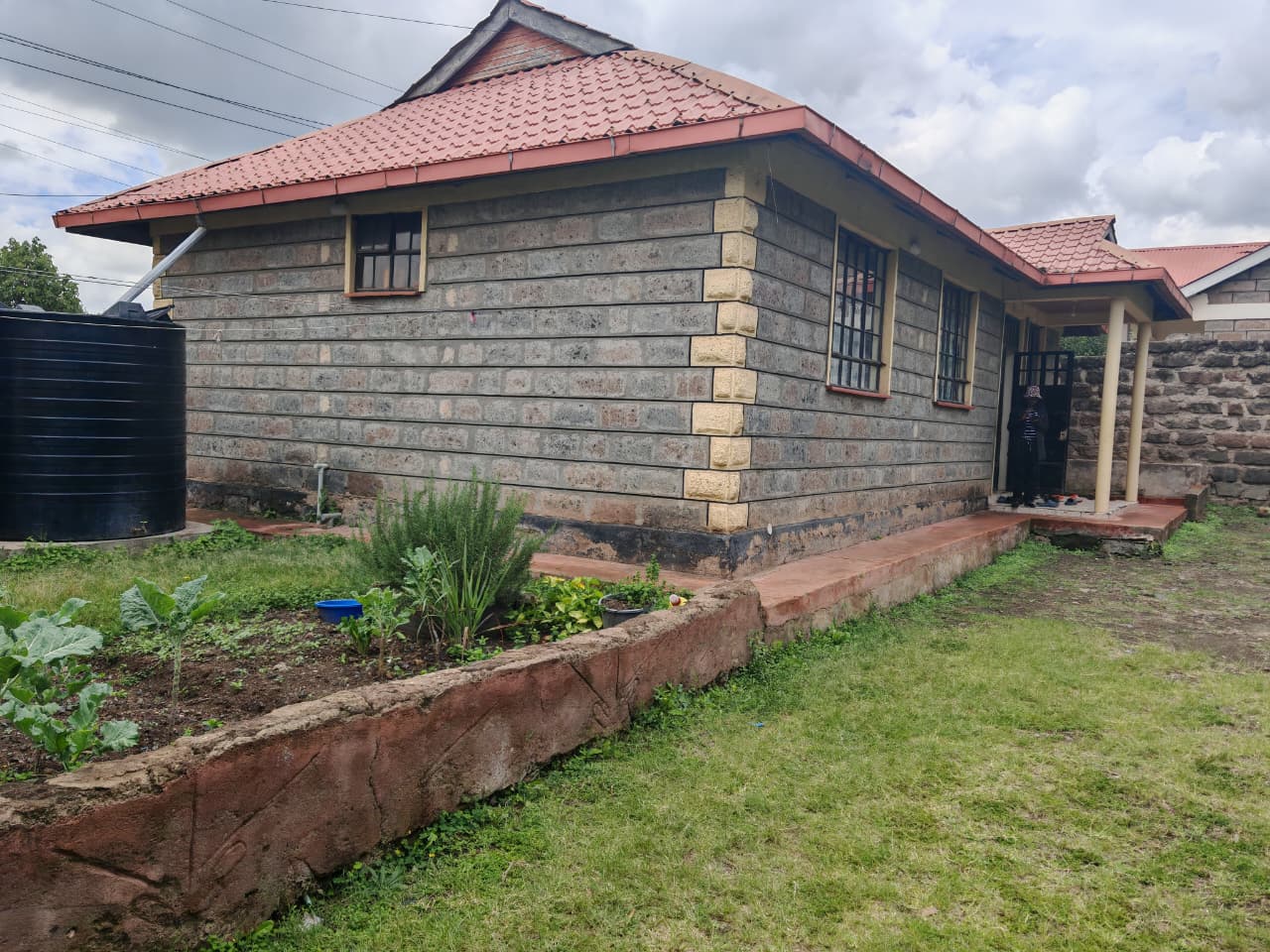
3-Bedroom Bungalow for Sale in Ongata Rongai
KES 9M

Modern 1 & 2-Bedroom Apartments in Ongata Rongai
KES 1-bedroom @ KSh 4.9M and 2-bedroom @ KSh 6.1M
Share this post
Table of Contents
Become a Registered NCA Contractor in Kenya: Step-by-Step Process for Beginners
Imagine you’ve just landed your first big project and the client suddenly asks, “Are you registered with NCA?” Your heart skips. You rush to Google, and within seconds, you’re lost in a maze of forms, categories, classes, and requirements you’ve never heard of.
If NCA registration feels like trying to understand a WhatsApp group with 200 unread messages, you’re not alone. Many new contractors waste time, lose money, or get rejected simply because no one explains the process clearly. The good news? This guide turns all that chaos into a smooth, clear path you can follow from start to finish. Simple steps, zero confusion, and everything you need to confidently begin your NCA registration journey.
Why You Need NCA Registration Before Starting Any Construction Works
NCA registration in Kenya is not optional. Every contractor and construction company must be registered before handling any construction work. It is a legal requirement that protects the public and ensures only qualified contractors operate in the industry.
With NCA registration, you can bid for government projects, apply for private contracts, and prove that your company meets the required standards of safety, skill, and professionalism. It also gives your clients confidence that you are recognized and approved by the National Construction Authority.
Overview of NCA registration categories & classes
The National Construction Authority (NCA) divides work into clear categories and classes so contractors can register for the right type and size of projects. Choosing the correct category and class is crucial when you want to bid for tenders, win government work, or prove your capability to clients.
Categories (what kind of work)
- Building works: houses, apartment blocks, commercial buildings and other structural construction.
- Roads & civil: roads, earthworks, drainage, bridges, and other civil engineering projects.
- Specialist works: trade and technical services like electrical, mechanical, plumbing, water supply, sewerage, HVAC, and other specialist construction services.
Pick the category that matches your main business activity. If your company installs electrical systems, register under Specialist works (electrical). If you do both building and small roads, choose the category that represents your core business and plan to supply evidence of experience for each type you bid on.
NCA Classes Explained: Know the Size of Projects You Can Take
NCA classes run from NCA 8 up to NCA 1. Class determines the maximum contract value and the scale of projects you are approved to handle.
NCA 1 is the highest class (largest or unlimited contract value); NCA 8 is the entry-level class (smallest contract value).
The correct class depends on your financial capacity, plant and equipment, technical staff, and past project experience.
Current Monetary Limits for Each NCA Class in Kenya
| NCA Class | Maximum Contract Value | Building Works | Specialist Works | Roads & Civil Works |
|---|---|---|---|---|
| NCA 8 | Smallest Projects | Up to KSh 10M | Up to KSh 5M | Up to KSh 20M |
| NCA 7 | Small Projects | Up to KSh 20M | Up to KSh 10M | Up to KSh 50M |
| NCA 6 | Medium Projects | Up to KSh 50M | Up to KSh 20M | Up to KSh 100M |
| NCA 5 | Medium–Large Projects | Up to KSh 100M | Up to KSh 50M | Up to KSh 200M |
| NCA 4 | Large Projects | Up to KSh 200M | Up to KSh 100M | Up to KSh 300M |
| NCA 3 | Very Large Projects | Up to KSh 300M | Up to KSh 150M | Up to KSh 500M |
| NCA 2 | Extra-Large Projects | Up to KSh 500M | Up to KSh 250M | Up to KSh 750M |
| NCA 1 | Unlimited (Largest Projects) | Unlimited | Unlimited | Unlimited |
Why Choosing the Right NCA Category and Class Matters
Your selected NCA category and class determine much more than just the type of work you can do; they directly affect your ability to win contracts and operate legally.
Here’s why it matters:
- Eligibility to Bid: Each tender specifies the required category and class. If your registration doesn’t match, you cannot submit a bid.
- Client Confidence: Being correctly registered assures clients that your company is qualified, trustworthy, and compliant with Kenyan construction standards.
- Insurance and Bonding Limits: The class you choose influences the maximum insurance coverage and performance bonds you can access for projects.
- Required Documentation: NCA will check evidence such as financial statements, CVs of technical staff, equipment lists, and records of past contracts.
Pro tip: Before applying, ensure your company’s records, bank statements, audited accounts, staff qualifications, and equipment align with the category and class you aim for.
Complete Checklist of Documents for NCA Contractor Registration
Before applying for NCA registration, it’s crucial to have all the required documents ready. Proper preparation speeds up the process and ensures your application is approved without delays. Always provide certified copies where requested.
Basic Documents required include:
- Business Registration: Certificate of Incorporation or Business Name registration, and CR12 (for limited companies).
- Owner/Director IDs: National ID or passport copies.
- Tax Compliance: KRA PIN and Tax Compliance Certificate (TCC).
- Business Permit: Current permit from your county.
- Financial Records: Audited financial statements for the last 1–3 years (amount depends on your NCA class).
- Company Profile & Projects: List of previous projects/contracts with completion certificates or reference letters.
- Technical Staff Credentials: CVs and academic/professional certificates of key staff and directors (degree, HND, diploma, trade test, depending on class).
- Equipment & Plant Proof: Ownership documents or hire agreements (required for higher classes).
- Foreign Staff Permits: Work permits for any non-Kenyan staff.
- Bank & Insurance Documents: Bank statements, letters of good standing, and insurance documents, where applicable.
- Completed NCA Forms: Filled application forms, including annexes listing staff.
With this checklist ready, you can be sure your NCA registration application will be smooth and in compliance with NCA requirements.
Step-by-Step Guide to NCA Contractor Registration in Kenya
Before you rush to submit your forms or pay any fees, it’s important to know the right steps to follow. A single missing document can delay your approval for weeks. Here is the correct process and the documents needed to make registration smooth and successful.
- Choose Your Category and Class: Decide the category of work (Building, Roads & Civil, or Specialist) and the NCA class based on the size of projects you want to handle.
- Gather Required Documents: Prepare all mandatory documents, including originals and clear copies (see next section for details).
- Complete the Application: Create an account on the NCA portal or download the Contractors Application Form (Form NCA-1a, etc.). Fill it carefully; most forms require ALL CAPS.
- Pay the Registration Fee: Fees depend on your chosen class. Keep proof of payment for your records.
- Submit Your Application: Submit online via the NCA portal or in-person as instructed by NCA.
- Application Evaluation: NCA reviews your documents and may request clarifications, site visits, or proof of past projects. Respond promptly to avoid delays.
- Receive Certificate & Practicing License: Once approved, you get your certificate and license, valid for the financial year. Renew annually and complete CPD training if required.
NCA Fees & Renewal Checklist for Contractors
When registering as an NCA contractor, you need to budget for both the registration fee and the annual practicing license renewal fee. Fees vary depending on your NCA class, so always check the official NCA Schedule of Fees
for the exact amounts and approved payment channels. Keep your payment receipts, they are required during renewal.
- Registration Fee: Pay the prescribed fee based on your NCA class.
- Keep Receipts: Save all proof of payment; they are needed for future renewals.
- Annual License Renewal: Practicing licenses must be renewed every year to stay valid.
- CPD Requirement: Complete NCA-recognized CPD training and provide your CPD points during renewal.
- Avoid Penalties: Renew on time to prevent fines, delays, or license loss.
Tip: Plan your finances and CPD schedule ahead to ensure smooth, uninterrupted registration and licensing.
Provisional NCA Registration for Start-Ups and New Contractors
Starting out as a new contractor in Kenya can feel challenging, especially if you lack experience. To help beginners, NCA offers provisional registration, which allows start-ups to operate while gradually building a solid track record. To qualify, you may need to demonstrate supervised project experience, provide recommendations from architects, quantity surveyors, or experienced contractors, and sign formal undertakings confirming compliance with NCA rules.
This pathway not only gives small firms a legal way to enter the construction industry but also prepares them for complete registration once they have gained sufficient experience and met the necessary requirements. Provisional registration enables new contractors to confidently build their expertise, reputation, and credibility in Kenya’s construction industry.
How Foreign Contractors Can Register with NCA in Kenya
Foreign construction companies can register in Kenya, often for higher classes such as NCA 1, but there are special rules to follow. Typically, foreign firms must demonstrate sufficient technical and financial capacity and may be required to subcontract or form joint ventures with local companies, usually contributing at least 30% of the project. Additionally, all expatriate staff must comply with Kenyan work permit regulations.
Before applying, it’s important to review NCA regulations carefully to ensure full compliance and avoid delays in registration.
How NCA Evaluates Contractor Applications
When reviewing applications, NCA focuses on three main pillars to ensure contractors are qualified and compliant:
- Legal and Statutory Compliance: Includes valid company registration, Tax Compliance Certificate (TCC), and current business permits.
- Technical Capacity: Evaluates the qualifications of directors and key staff, CVs, academic/professional certificates, and availability of equipment.
- Financial Capacity and Track Record: Considers audited accounts, past contracts, and client references to confirm your ability to handle projects.
Applications usually go through staged evaluation, and missing or inconsistent documents can lead to delays or rejection. Preparing all documentation correctly increases your chances of a smooth and successful NCA registration.
Common NCA Registration Mistakes and How to Avoid Them
Many contractors face delays or rejection during NCA registration due to simple but critical mistakes. Avoid these to ensure a smooth process:
- Incomplete Applications: Missing documents like CR12, audited financial statements, or CVs of key staff are the leading cause of rejection. Always double-check your application before submission.
- Fake or Unverifiable References: NCA cross-checks referees and previous projects and may conduct site visits. Be honest about your experience and references.
- Expired Legal Documents: Ensure your Tax Compliance Certificate (TCC) and business permit are current before applying.
- Choosing the Wrong Category or Class: Applying under a category or class that doesn’t match your experience, equipment, or financial capacity can limit your eligibility for tenders.
- Not Meeting Technical or Staff Requirements: Make sure you have the required number of qualified technical staff and certified personnel for your chosen class.
- Incorrectly Filled Forms: Errors such as missing signatures, wrong formats, or not using ALL CAPS where requested can delay processing.
- Outdated or Inconsistent Financial Records: Ensure audited accounts, bank statements, and other financial records are accurate and up to date.
- Ignoring CPD or Renewal Requirements: Plan ahead for annual CPD (Continuous Professional Development) training to maintain your license.
- Using Unofficial Middlemen or Agents: Avoid anyone promising faster approvals for cash. Always use official NCA channels.
- Poor Record-Keeping: Keep copies of payment receipts, submitted forms, and email correspondences with NCA. Good records help resolve issues quickly.
- Submitting Duplicate or Unnecessary Documents: Extra or irrelevant files can confuse evaluators and slow down your application.
- Not Following NCA Guidelines Carefully: Pay attention to instructions on the NCA portal, including file formats, naming conventions, and submission steps.
How to Successfully Upgrade Your NCA Class and Handle Bigger Projects
If your goal is to move up to a higher NCA class (for example, from NCA 6 to NCA 4), preparation is key. This is important if you want your company to start managing larger and more complex projects. Here’s how to make the process smooth and increase your chances of approval:
- Strengthen Your Financial Records: Make sure your audited turnover meets the requirements of the higher class. Accurate, up-to-date, and verifiable accounts show that your company has the financial capacity for bigger contracts.
- Showcase Your Best Projects: Include 3–5 completed projects with completion certificates, contract values, and client contacts. Keep the list concise, clear, and verifiable, NCA and tender committees appreciate well-organized evidence of past performance.
- Ensure you have Qualified Staff: At least one director or manager must meet the academic or technical qualifications required for the higher class. Adding more experienced staff strengthens your case.
- Upgrade Your Plant and Equipment: Demonstrate access to sufficient machinery and tools to handle larger-scale projects. This shows you’re fully capable of managing higher-value work.
- Prepare a Clear Upgrade Report: Organize all your documents in the order requested by NCA, ideally in a single, well-labeled PDF. A neat, professional submission makes evaluation faster and smoother.
- Attend NCA CPD Trainings: Continuous Professional Development (CPD) not only helps with license renewal but also demonstrates commitment to growth, professionalism, and best practices.
- Double-Check Everything: Verify that all forms, figures, references, and supporting documents are accurate. Missing or inconsistent information can delay approval or even lead to rejection.
Once you follow these steps, you’ll turn your NCA upgrade into a smooth process that opens doors to bigger contracts and stronger industry credibility.
Penalties and Risks of Not Registering or Renewing with NCA
Operating as a contractor in Kenya without NCA registration or a valid practicing license carries serious risks. These include:
- Fines and Legal Penalties: Working without proper registration can lead to significant fines and legal action.
- Ineligibility to Bid for Public Contracts: Government and many private tenders require valid NCA registration; without it, you cannot participate.
- Debarment from Government Projects: Contractors found operating illegally may be blacklisted, limiting future opportunities.
- Renewal Risks: Failing to pay renewal fees on time or attend the required CPD trainings can result in license suspension or cancellation.
To avoid these consequences, always ensure your registration is current, fees are paid promptly, and CPD requirements are met. Staying compliant protects your business, reputation, and access to high-value contracts.
Conclusion
Getting NCA registration may look demanding at first, but with the right information and proper preparation, it is very doable. What matters most is organization, having your legal papers in order, proving your technical ability, keeping your tax and business permits up to date, and submitting a clean and complete application. When you understand how the classes work, what documents are required, and why NCA checks financial and technical capacity, you avoid delays and stand a better chance of approval on the first attempt.
NCA accreditation goes beyond compliance; it strengthens your reputation, builds client confidence, and positions your company for competitive projects nationwide. Start with what you have, follow the correct process, build your experience, and upgrade as your portfolio grows. With discipline, proper record keeping, and continuous learning through CPD, you can steadily move from small works to major contracts confidently.
With this guide, you now have a clear roadmap — take the first step, get your documents ready, apply through the official channels, and build a solid construction business that can compete and thrive for years to come.
FAQs
Why do I need NCA registration as a contractor?
It is mandatory for any contractor undertaking construction works in Kenya. Without registration, you cannot legally bid, supervise, or execute projects.
What projects require NCA registration to approve?
All construction works, residential, commercial, roads, bridges, electrical, mechanical, require licensed contractors and NCA project registration.
Is NCA registration really necessary for small contractors?
Yes. Even small fundi teams doing residential houses are required to be registered. The grade you start from can be NCA7 or NCA8 depending on your capacity.
Can I start construction without NCA approval?
You shouldn’t. Starting without NCA project registration may lead to penalties and even site closure if authorities visit your project.
How much money do I need to start NCA registration?
Cost depends on your category. Entry level is cheaper, higher classes cost more. Budget for registration fee, renewal fee, staff requirements, and documents.
Do I need an office to register with NCA?
Yes, you need a physical address and business registration details. They may request proof like a lease or utility bill depending on the process updates.
Can I register as an individual without a company?
Contractor registration requires a business entity. You need a registered company or business name, plus technical personnel.
Must I have engineers or technicians on my team to qualify?
Yes. Different categories require different qualified personnel. Higher classes need more experienced engineers.
I don’t have previous projects; can I still register?
Yes. You can start with NCA7 or NCA8 and then upgrade when you have completed projects to prove capacity.
What if I register and never renew?
Your license becomes inactive, you lose bidding opportunities, and late penalties apply. In worst cases, you may have to restart the process.
Can NCA registration help me get government tenders?
Definitely. Without NCA grading, you cannot qualify for public or major private tenders. Your grade determines the size of projects you can bid for.
How long does the upgrade process take?
Timeline varies with document verification, past projects, and capacity review. The more organized your paperwork, the faster it gets approved.
Can I register online without visiting NCA offices?
Yes. Most steps are online through the NCA portal, account creation, document upload, payments, tracking status.
What documents delay approvals the most?
Missing tax compliance, expired business permits, unverified academic certificates, incomplete CVs, or lack of proof for previous work.
Is NCA the same as county approvals?
No. NCA is national construction regulation; county approvals are for architectural/structural plans. You need both for building legally.
Can I work as a subcontractor without NCA?
Some do informally, but it’s risky. Big contractors prefer registered subcontractors to meet compliance requirements.
How do I check if a contractor is registered?
You can search on the NCA portal using their license number or company name to verify status and category.
What mistakes make people fail NCA registration?
- Wrong document formats
- No qualified personnel
- Incomplete company details
- Rushed application without guidance
Having an expert help can save time.
Can my NCA license be upgraded with experience alone?
No. You need project proof, financial capability, equipment, and technical personnel matching the new grade level.
Do I need to renew my NCA license?
Yes. Renewal is done annually. Late renewal attracts penalties and may lead to suspension from bidding or ongoing projects.
How do I upgrade my NCA category?
Upgrading requires proof of completed projects, financial capability, equipment, and technical personnel as required by the higher grade.
What happens when NCA inspectors visit a site?
They verify registration, safety standards, project registration validity, qualified personnel, and compliance.
Can a foreign company operate in Kenya without a local partner?
Not permanently. Temporary registration is allowed but must include a local capacity-building partner.
What happens if I operate without NCA registration?
Operating without a valid NCA license may result in fines, suspension, loss of contracts, or being barred from public tenders.
Why do some contractors avoid NCA?
Mostly due to a lack of documents, fear of cost, or misinformation. But in the long run, being registered opens more opportunities.
Can NCA revoke my license?
Yes. If you violate regulations, fail to meet compliance standards, or undertake unsafe works, your license can be revoked or suspended.